Welcome, you are in





Colombian plants: a living legacy steeped in culture
Colombian plants hold ancestral knowledge of medicine, rituals, and culture that flourish in every region of the country.
When you think of Colombia, landscapes, music or cuisine likely come to mind.However,there is a treasure that has accompanied our communities since ancient times and remains alive in daily life: plants.These species represent memory and tradition,and through them ancestral knowledge—whether through remedies or in the preparationof comforting beverages—are transmitted,strengthening the spiritual practices of the peoples who have inhabited the country of beauty.
What role do plants play in the spiritual and cultural life of Colombia?
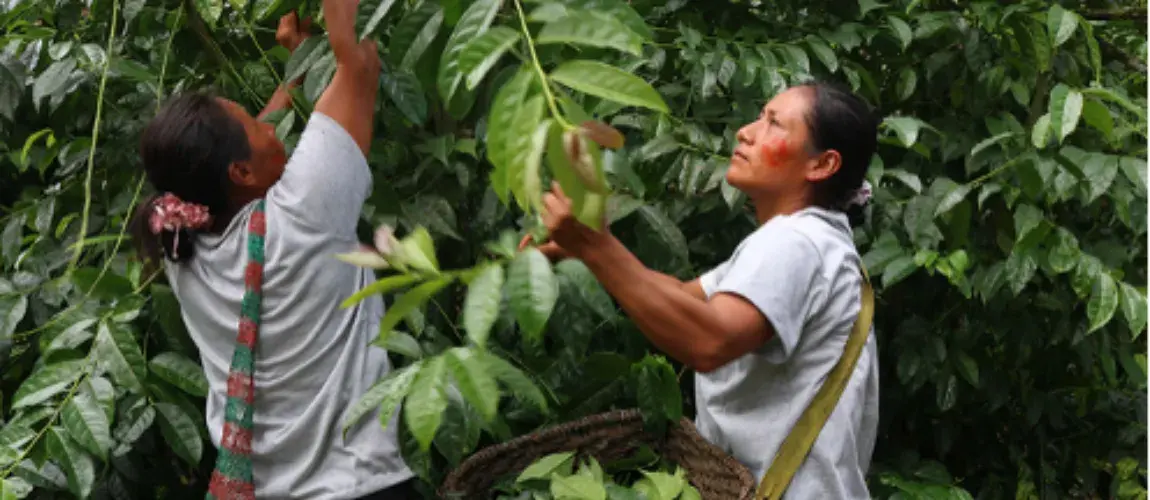
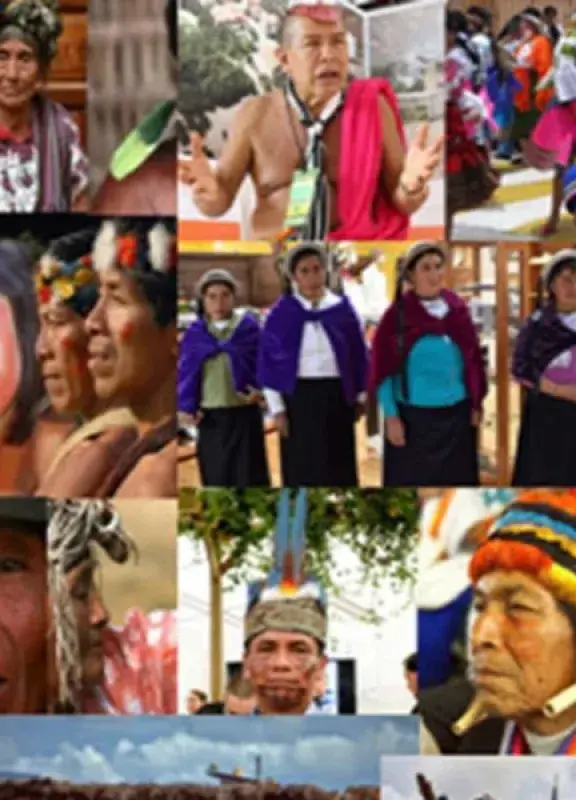
From the vine used in spiritual ceremonies in the Amazonas to the Colombian aromatic plants that scent homes and rituals,the use of nature has always been linked to respect and connection with the sacred.In Colombian culture,plant ritualshave been developed to cleanse energies,welcome a new life cycle or give thanks for the harvest.These rituals are symbolic acts and ways to maintain balance between the community and nature.They also reflect the richness of Afro-Colombian ancestral knowledge,indigenous knowledge and that of all cultures that have shaped us,forming a worldview deeply respectful of life and the land.
You may be interested in: Colombia’s indigenous groups and ancestral legacy
What contributions have ancestral plants made?
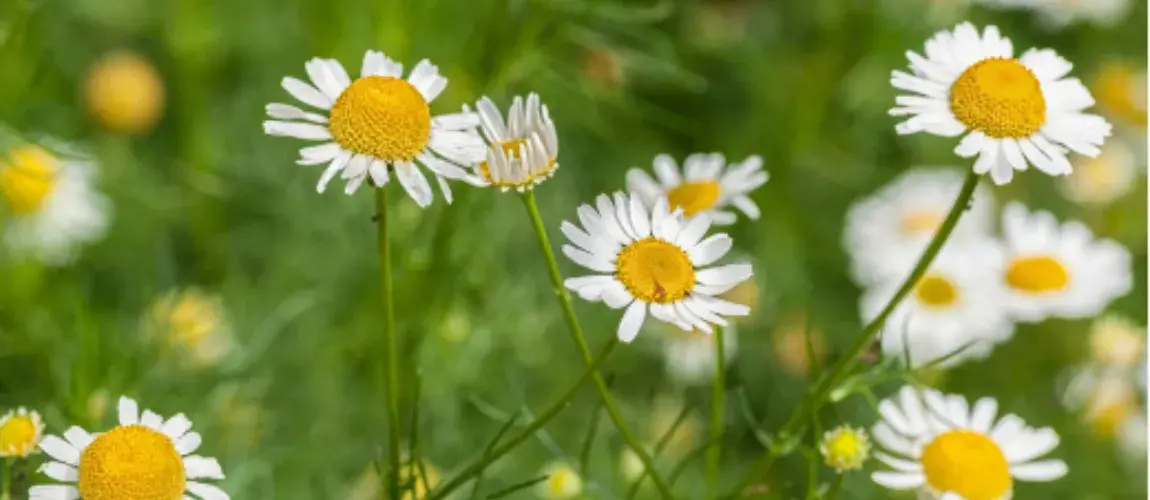
Many species now associated with home remedies were once discoveries of communities that observed nature patiently and passed their knowledge down through generations. Similarly,traditional infusionsmade from leaves,flowers or barks are still prepared in Colombian homes to ease pain or to find a moment of calm. In this context,ancestral knowledgeremains a living heritage that complements modern medicine and reminds us of the importance of valuing the cultural legacy of our peoples.
You may be interested in: Fall in love with the country of beauty through Colombian flowers
Five traditional home remedies with plants from Colombian grandmothers
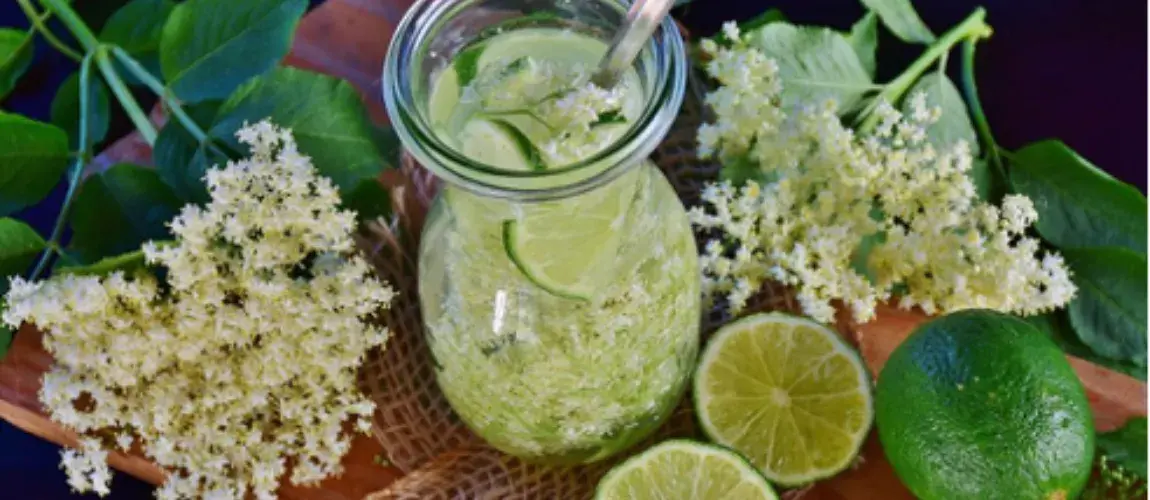
Home remedies passed down through generations are part of Colombia's culture and traditions.The country's biodiversity offers a rich variety of medicinal plants that,according to popular belief,can relieve common ailments.Here are some well-known plant-based home remedies:
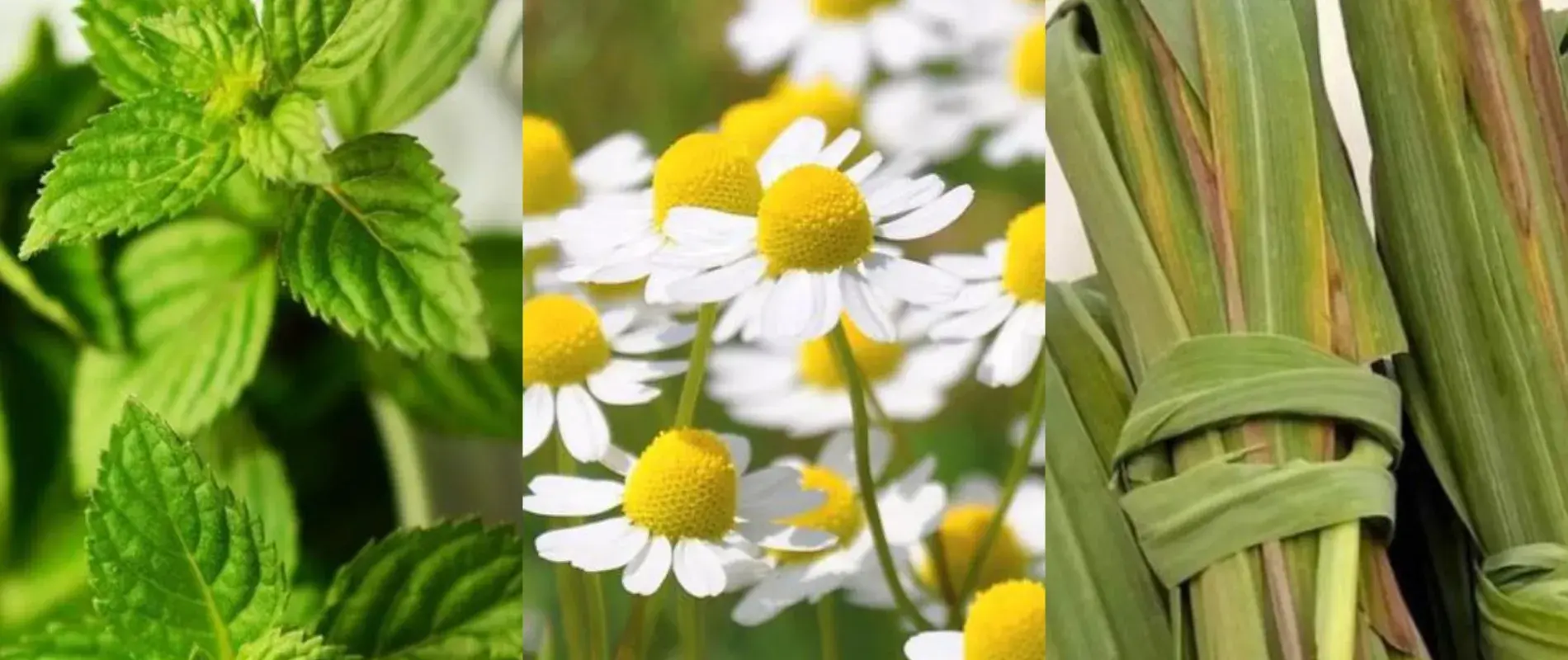
Herbal tea for headache: Spearmint and chamomile play starring roles in many Colombian kitchens.Grandmothers say spearmint helps relieve headaches and stomach discomfort,while chamomile soothes anxiety and insomnia.To prepare these traditional infusions,simply boil a few dried leaves in water and let them steep for a few minutes before drinking.
Calendula for the skin: Valued for its antiseptic and healing properties,this plant is used to treat minor wounds.It is also consumed as a tea to soothe digestive issues such as gastritis or acidity.In some Colombian homes,drinking a cup of calendula after meals is a custom that aids digestion.
Ginger as a cure for cough: Although widely known in world cuisine,in Colombia ginger has been adopted as an ally to combat coughs and colds.The most common preparation is an infusion—sliced and boiled in water to make an aromatic tea.
These home recipes are a clear example of how ancestral knowledgeremains present in everyday life,reminding us that tradition is also care and well-being.
You may be interested in: Colombia’s 11 most exotic fruits, like passion fruit
Why are ancestral plants a source of pride for Colombia?
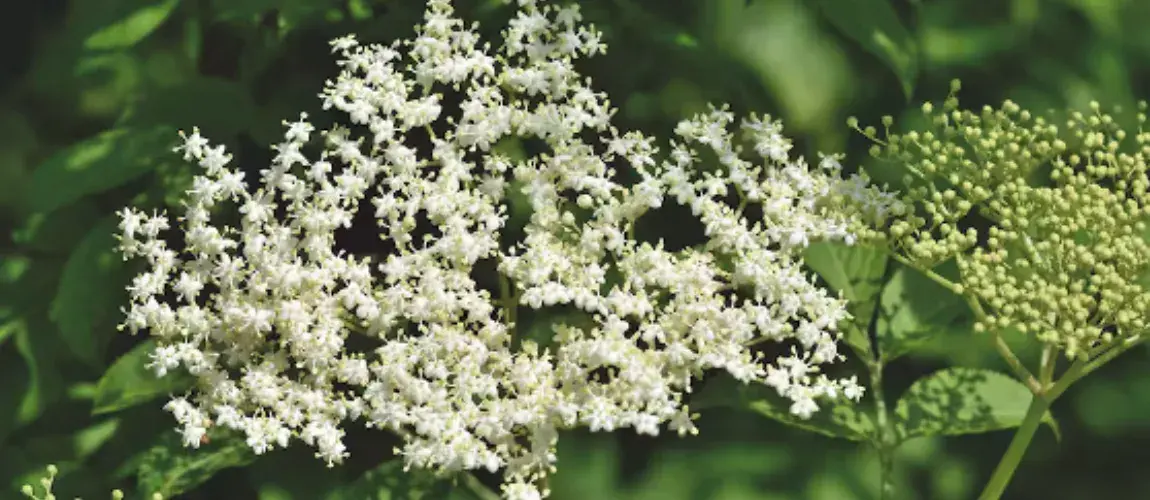
The richness of our species is not limited to quantity but to the meaning they have in the lives of those who inhabit this territory.From indigenous tradition to Afro-Colombian customs,each practice with plants holds a story that belongs to us all.That legacy reminds us Colombia is a place where culture flourishes alongside nature.Plants are simultaneously food,medicine,spirituality and memory.They are a voice that speaks to us from ancient times and invites us to continue caring for,respecting and celebrating their presence.