Welcome, you are in




Explore the legacy of midwives in Colombian cuisine
Discover the legacy of Colombian midwives and how they have preserved recipes, flavors, and traditions in the country's gastronomic culture.
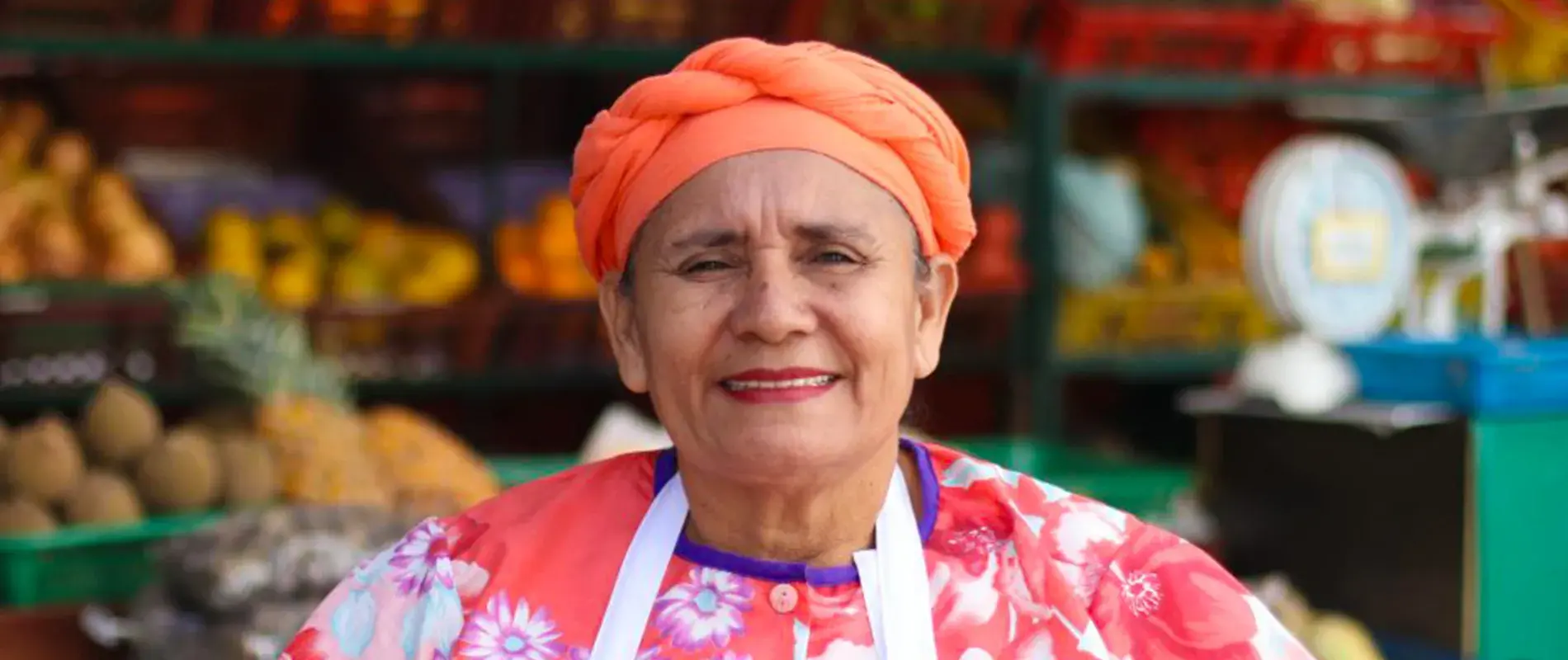
In every traditional dish of the country there is a story that travels through time. Colombian gastronomy is not only made of flavors, spices and aromas; it is also composed of the memory and tradition kept alive by the matronas, women who have made cooking a cultural act that crosses borders. They are the ones who have passed down recipes, secrets and techniques from generation to generation, turning each preparation into a living tale of identity and belonging.
Talking about the matronas is talking about heritage cuisine, the cuisine that preserves ancestral knowledge and gives it a place on the contemporary table. Thanks to them we remember that every bite is also an encounter with the history of Colombia, the country of beauty.
Being a matrona in the country of beauty
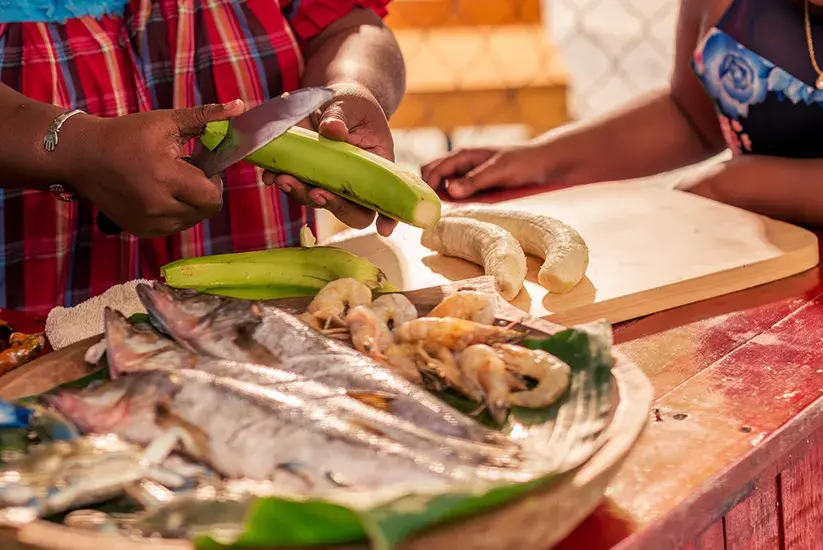
Being a matrona is to safeguard an essential part of the culinary culture of Colombia. These women represent the strength of tradition and the voice of memory, because every dish prepared connects people with the roots of the gastronomy of the country of beauty. With expert hands and knowledge passed down through generations, they keep the culinary know-how that has shaped the dishes on Colombian family tables. In their daily work, the matronas keep traditional kitchens alive, reflecting the diversity of the territories and the richness of their ingredients. From la gastronomía del Gran Caribe Colombiano to that of the Pacífico, every recipe is a testimony of cultural identity. Thanks to them, each dish preserves a shared legacy that continues to inspire pride throughout the country and delights the palates of visitors from around the world.
The legacy of the matronas in Colombian cuisine: pride and tradition in every dish
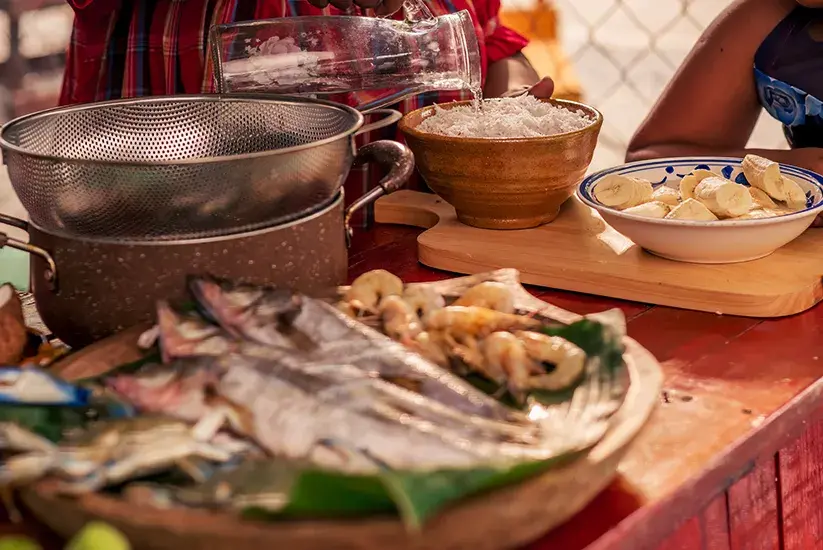
The typical Colombian dishes reflect a living memory transmitted for years thanks to the matronas. They have taught how to prepare everything from an ajiaco santafereño to a sancocho, preserving at every step the secrets of seasoning and table rituals. In their hands, the simple act of cooking becomes a bridge between territories: from recipes of the Andes Occidentales Colombianos or the Gran Caribe Colombiano, to the fishes of the Pacífico and other preparations from across the country. Each recipe keeps the tradition that, between stoves and utensils, has preserved the flavors of Colombia, elevating tradition as a shared source of pride.
Talking about the matronas is remembering how the bandeja paisa becomes a typical national dish or how in Santander the cabrito or sun-dried meat still carry the mark of the cooks who learned from their grandmothers. Meanwhile, in the Gran Caribe Colombiano, coconut rice and bollo limpio evoke the warmth of the homes where they teach that tradition is also shared by sitting down together to eat. Thanks to these guardians of tradition, culture and cuisine are a living inheritance that continues to travel through time and invites us to recognize in every bite an act of identity and pride. Below are just a few Colombian gastronomy preparations that reflect the legacy of these women.
Sancocho: a soup that unites regions. Sancocho is one of Colombia's representative dishes, with variations that change by region. This dish is traditionally prepared for family gatherings and popular celebrations, and is mainly consumed at lunchtime. The matronas have been essential in preserving and transmitting this recipe, adapting it to the tastes and needs of each era.
Coconut rice: the sweetness of the Gran Caribe Colombiano. Coconut rice is a traditional accompaniment from the Gran Caribe. It is prepared by cooking rice in coconut milk, giving it a sweet and creamy flavor. Caribbean matronas are experts in this recipe, which is often served with fried or stewed fish. This dish exemplifies how the matronas have fused ingredients and techniques to create unique flavors.
Bollo limpio: tradition in every bite. Bollo limpio is made from ground corn, cooked in corn leaves, and served as a side dish or snack. It is prepared by local matronas, who have perfected the steaming technique to achieve a soft texture and delicate flavor.
You may be interested: Marketplaces in Colombia: a unique culinary journey
Matronas who inspire in Colombia
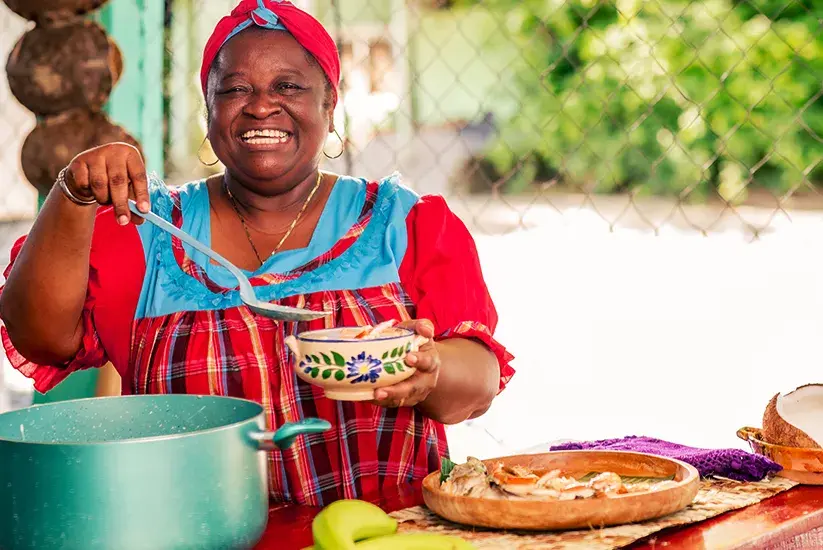
The legacy of the matronas remains alive thanks to women like Elsie Valencia and Mama Luz, who represent the essence of Colombian culinary tradition. Their work shows how cooking becomes an act of memory, identity and pride, keeping alive the flavors, techniques and know-how passed down through generations. Beyond recipes and flavors, the work of these matronas symbolizes the preservation of a nation's identity. Thanks to their dedication, every typical dish tells a story that connects those who prepare and enjoy it with Colombia's cultural richness. Their legacy is a reminder that cooking is an act of memory and community in the country of beauty.
Try the gastronomy of the country of beauty and discover which typical Colombian dish you are by clicking here.
You may be interested: Almirajo: golden fruit from Chocó that preserves the memory of the jungle
Related articles
- Discover the variety of Colombian arepas!
- Colombian coffee, the best in the world
- Five news outlets telling the world about Colombia