Welcome, you are in





Discover the National Museum of Colombia in Bogotá
Discover the National Museum of Colombia: history, art, and memory in a space that safeguards the country's cultural heritage.
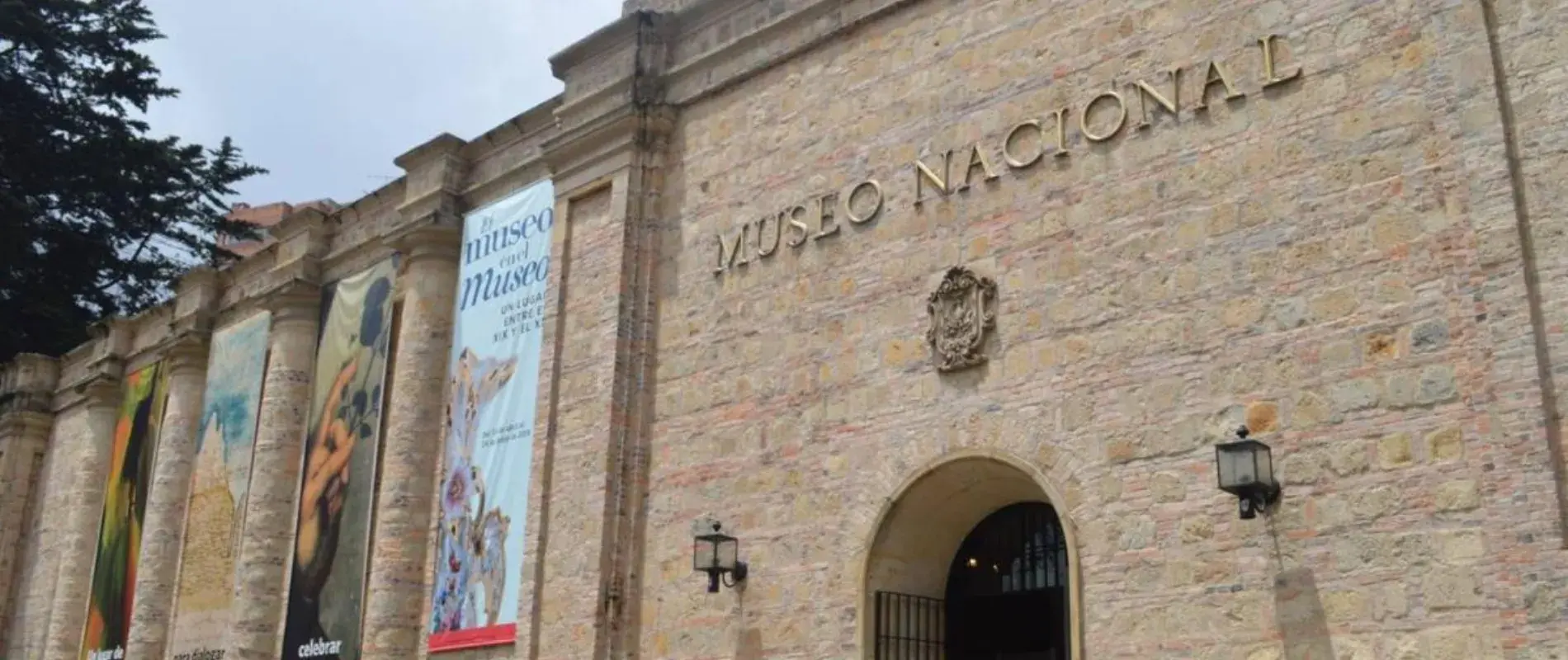
Visiting the National Museum of Colombia means immersing yourself in part of the history of our country. Among the museums in Bogotá, this one stands out for being the oldest and for preserving a unique legacy that combines art, memory and tradition. In this article you will discover the history of the museum, its collections and exhibitions, as well as the cultural significance this place has in the country of beauty. Dare to discover a space full of art, archaeology and national heritage.
What is the history of the National Museum of Colombia?
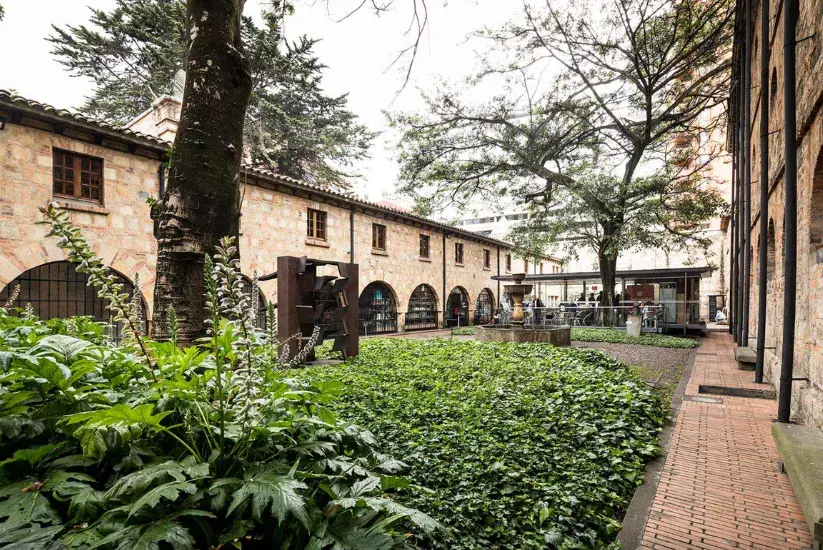
The museum's history is deeply linked to that of the country. Founded in 1823, it is one of the oldest in the Americas and the oldest in Colombia. During its early years it functioned as the Natural History Museum and School of Mining, until in 1948 it transformed into the cultural space we know today: the place responsible for telling, through art and historical objects, the cultural richness of our nation. Its current headquarters also have a special value. The building was originally the Panóptico de Cundinamarca. Today this space has become a symbol of freedom and memory, safeguarding nearly 20,000 pieces that make up four main collections: archaeology, ethnography, history and art.
In almost two centuries of existence, the National Museum of Colombia has established itself as a must-visit site for those seeking to understand the cultural diversity and artistic evolution of the country. Its seventeen permanent exhibition rooms create a dialogue between past and present, building a multiethnic and multicultural narrative.
You may be interested: What do you know about contemporary Colombian art?
What collections and exhibitions can you see at the National Museum of Colombia?
The pieces and collections of the National Museum of Colombia allow you to travel through centuries of the country's cultural and artistic memory, from the remains of the first communities that inhabited the territory to the most recent expressions of contemporary art. Upon entering the museum, you can discover objects that narrate milestones of our society, pieces that have become national symbols and works that portray the evolution of artistic thought. In fact, among the most striking pieces is a 411-kilogram aerolite from Santa Rosa de Viterbo, Boyacá, which fell in 1810, the same year the cry of Independence occurred.
You may be interested: Buque Gloria: Colombia's ambassador on the world's seas
Experiences at the National Museum of Colombia
First floor. If you go up to the first floor you will find exhibitions dedicated to archaeology, which show objects used by the ancient inhabitants of the territory, revealing their customs and ways of life. Further on, there are renovated rooms that present themes such as religion, language and cultural diversity, reflected in works that allude to law and Colombian identity. In addition, this floor houses rooms such as "The History of the Museum and the Museum in History", "History of the Panóptico" and the collections "Dialogues from the Pre-Hispanic World".
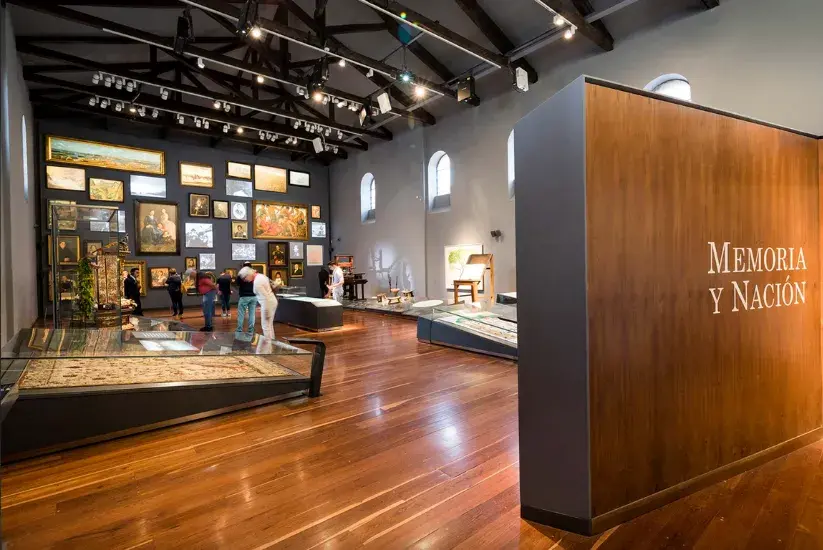
Second floor. This floor proposes a dialogue between collections of art, archaeology, ethnography and history. Rooms such as "Memory and Nation" highlight the Wall of Diversity, while "Land as a resource" invites reflection on how the Colombian territory has been inhabited and transformed for more than 14,000 years. "Being territory" completes the experience with a critical look at the relationship between space, society and culture.
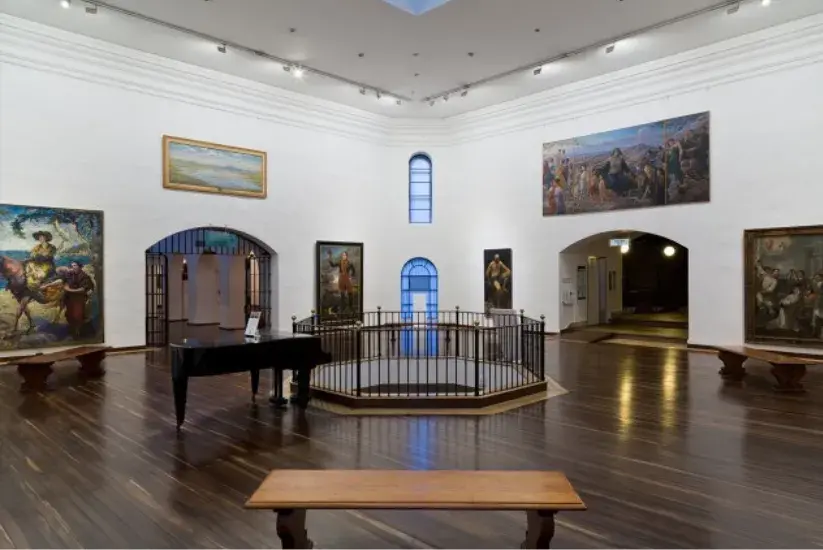
Third floor. Here is the rotunda, a space dedicated to the collection of modern art and contemporary art. In this space works by artists such as Alejandro Obregón, Fanny Sanín, Santiago Cárdenas and Fernando Botero are exhibited. These pieces allow the visitor to understand how Colombian art dialogues with international currents and how it has evolved from the mid-20th century to the present.
National Museum of Colombia: a symbol of identity and memory
The National Museum of Colombia is a cultural reference in Latin America and a source of pride throughout the country. Its walls hold centuries of history, while its collections reveal the richness of a country expressed through art, memory and cultural diversity. Beyond its rooms and exhibitions, this museum represents an invaluable legacy for the present and the future. Its ability to innovate, to integrate new narratives and to preserve the artistic heritage makes it an essential place to understand national identity. Each visit confirms that the museum is a living emblem of memory, a space where history becomes inspiration.
Visit the National Museum of Colombia
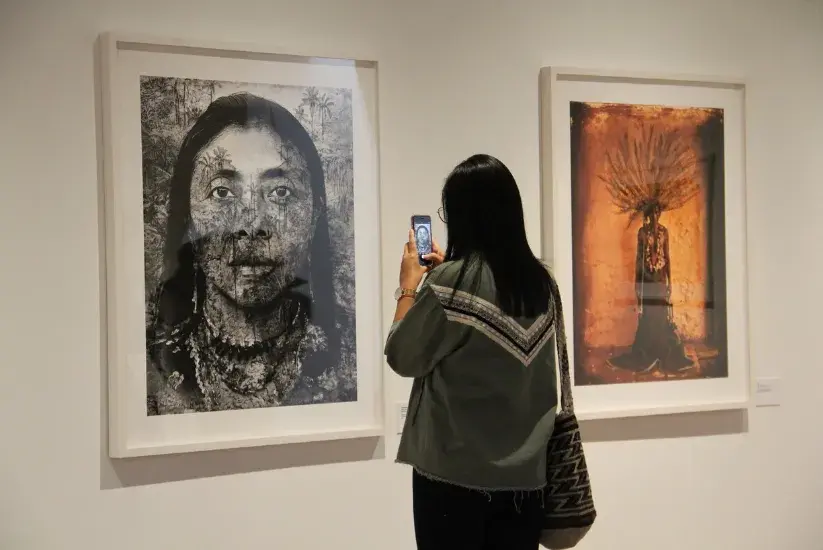
The National Museum of Colombia is a place where stories come to life through innovative displays and interactive exhibitions that invite you to be an active part of the tour. Among its permanent and temporary exhibitions are digital resources, educational activities and immersive experiences that make the country's art, history and cultural diversity feel close, current and exciting. Each visit is an encounter with the nation's artistic heritage and a journey that connects visitors with the past and the present through art and collective memory. So discover the country of beauty and its cultural offerings.