Welcome, you are in




Ethnic and Cultural Diversity Day: History and Ethnic Groups
Learn about the history of Colombia’s National Ethnic and Cultural Diversity Day and the ethnic groups that are part of our identity.
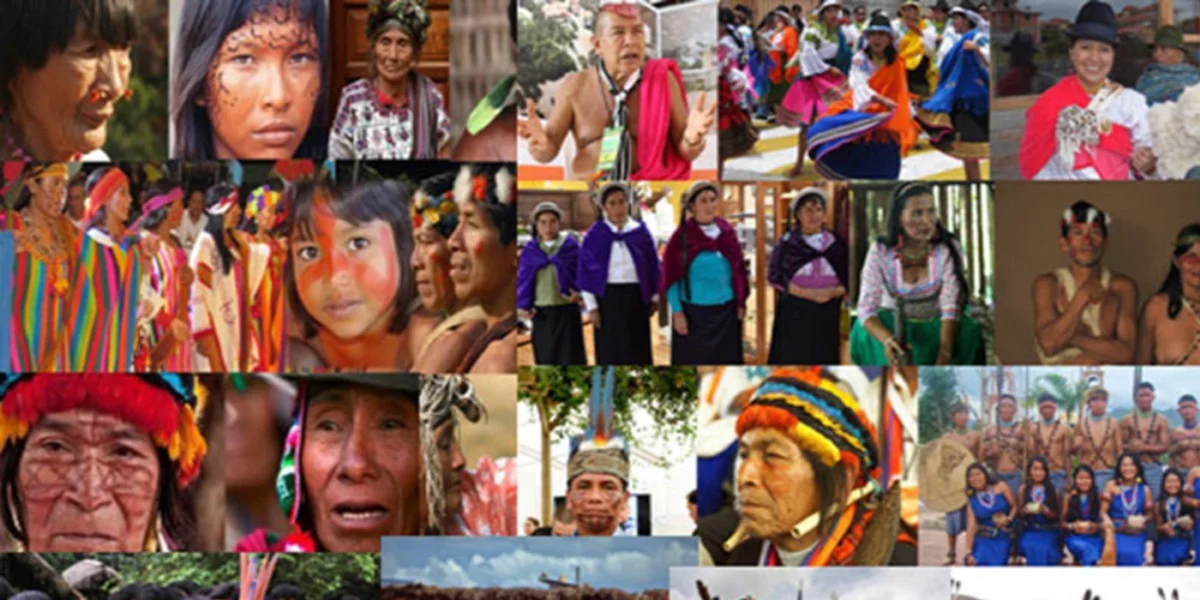
Every October 12, Colombia commemorates Ethnic and Cultural Diversity Day, an occasion that invites you to recognize the many cultures, histories, knowledge, and traditions that are part of our identity. But why is this day commemorated? What was it called before? And how many ethnic groups are there in Colombia? In this article, we explore the history behind this date, how it has evolved over time, and why recognizing our diversity is also a way to discover and learn about Colombia.
Why Is Ethnic and Cultural Diversity Day Commemorated?
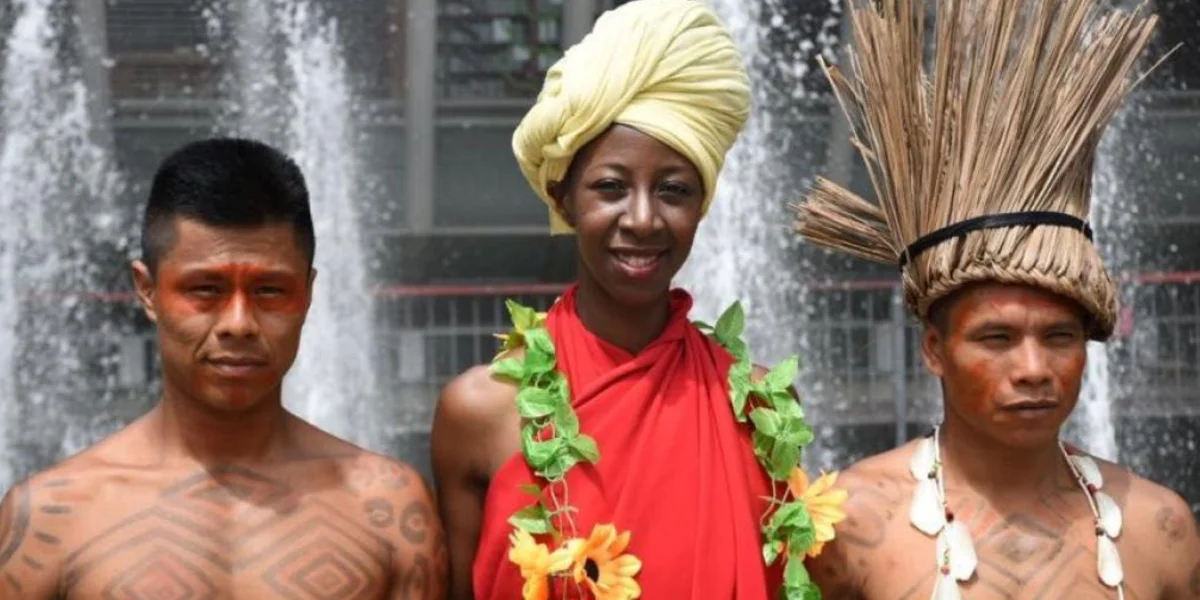
Colombia is a country rich in diversity. Across our territories, different peoples, languages, knowledge, and traditions coexist and have enriched our identity for generations. That is why, every October 12, the country commemorates Ethnic and Cultural Diversity Day of the Colombian Nation, a date dedicated to recognizing the different communities that make up our country and contribute to our cultural identity.
This commemoration is an opportunity to discover, preserve, and celebrate the expressions that make Colombia a diverse and multicultural nation. It is also an opportunity to recognize the different ethnic groups that inhabit our territory and understand that their histories, knowledge, and traditions are an essential part of our plural identity.
You may also be interested in: The Return of a Legacy
What Was Ethnic and Cultural Diversity Day of the Colombian Nation Called Before?
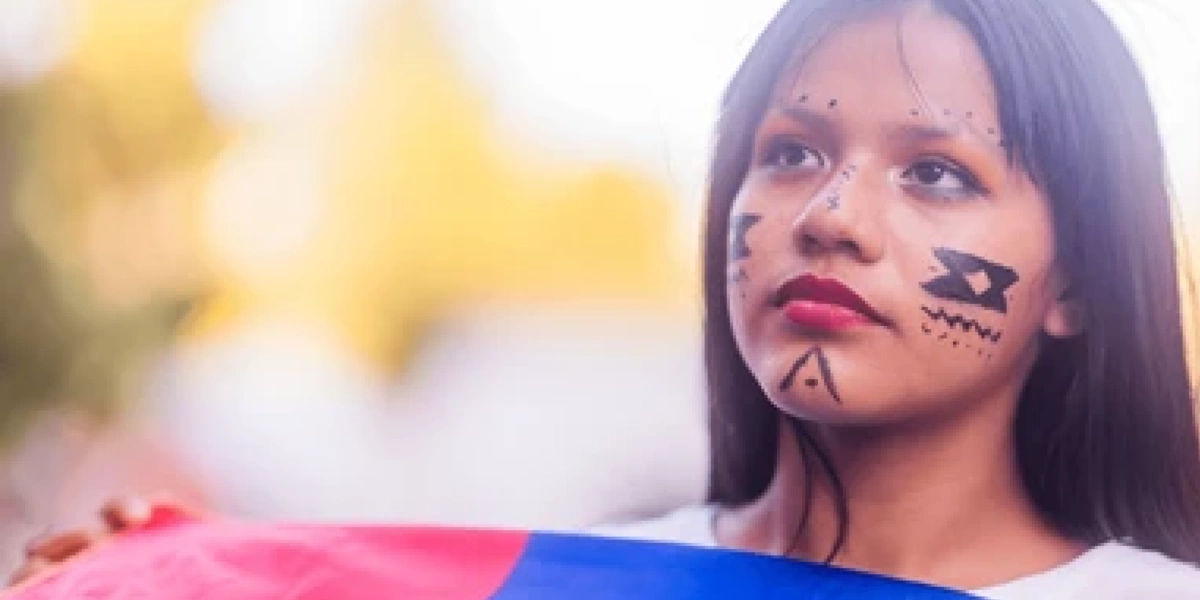
For much of Colombia's history, October 12 was known as Columbus Day or Race Day, a name used to commemorate this date and part of the historical tradition surrounding October 12. However, over the years, this occasion has embraced new ways of recognizing the cultural and ethnic richness of the peoples that make up Colombia.
Today, October 12 is commemorated as Ethnic and Cultural Diversity Day of the Colombian Nation, a name that places at the center the richness of the cultures, peoples, knowledge, and traditions that coexist in our territory. This date invites us to recognize this diversity as a fundamental part of Colombian identity and celebrate the many expressions that make Colombia a culturally diverse country.
How This Day Is Commemorated
Ethnic and Cultural Diversity Day is commemorated in different parts of the country through activities that recognize and celebrate the cultures and communities that make up Colombia. Law 2347 of 2024 establishes that public institutions must promote cultural, educational, pedagogical, and community initiatives, creating spaces to highlight the nation's ethnic and cultural diversity.
These commemorations often include workshops, discussion panels, community gatherings, and opportunities to share ancestral knowledge, as well as activities related to performing arts, talks, traditional and sports games, and interactive events. Spaces are also created to discover and celebrate the traditions, artistic expressions, and knowledge of Indigenous peoples and Afro-descendant communities. For example, in 2024, the Ministry of Cultures held gatherings in different regions and organized the Dialogue of Ancestral Knowledge: Living Roots and Resistance in Bogotá, featuring workshops and discussions dedicated to the arts, worldviews, and knowledge of these communities.
A Colombia of Many Cultures and Traditions: Discover the Ethnic Groups of Colombia
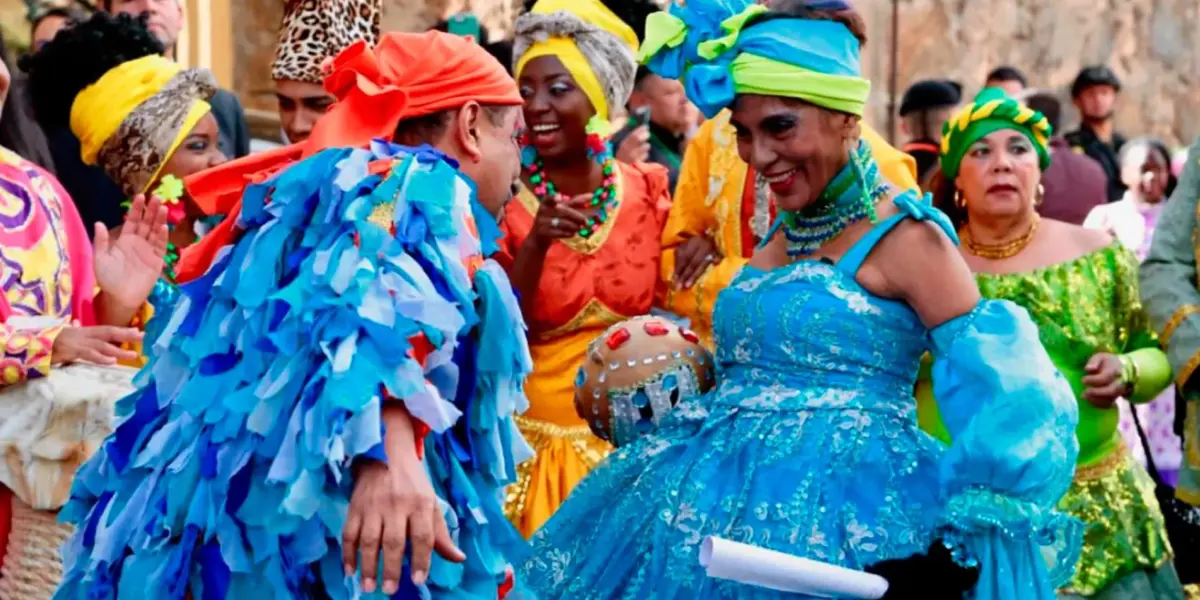
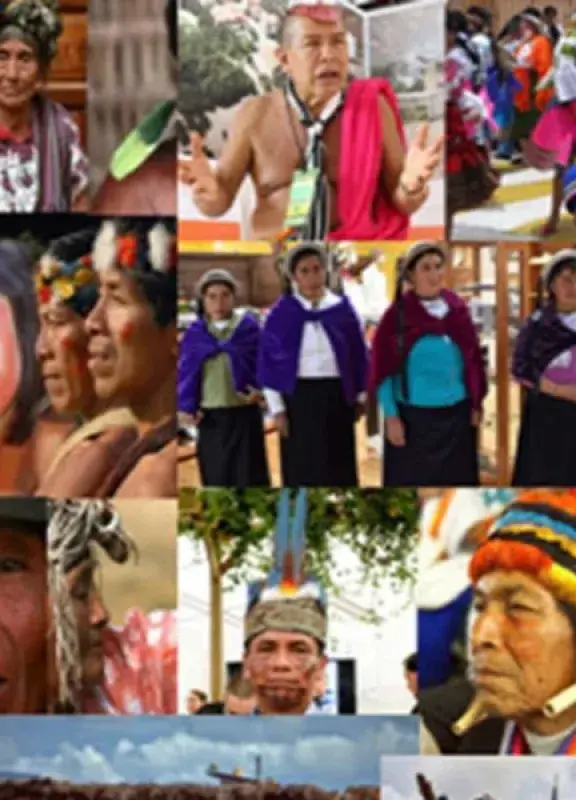
If you are wondering how many ethnic groups there are in Colombia, DANE recognizes four major ethnic groups: Indigenous peoples; the Black, Afro-Colombian, or Afro-descendant population, which includes Palenquero communities; the Raizal population of San Andrés, Providencia, and Santa Catalina; and the Rrom or Roma people.
- Indigenous Peoples: More than 115 Indigenous peoples native to Colombia, distributed throughout the national territory.
- Black or Afro-Colombian Communities: Includes the country's Afro-descendant, Black, and mixed-race populations.
- Raizal People: The native Raizal inhabitants of the archipelago of San Andrés, Providencia, and Santa Catalina.
- Rrom or Roma People: Communities with an ancient cultural tradition and a history of nomadism.
- Palenquero People: Communities from San Basilio de Palenque, often included within the broader category of Black and Afro-Colombian populations.
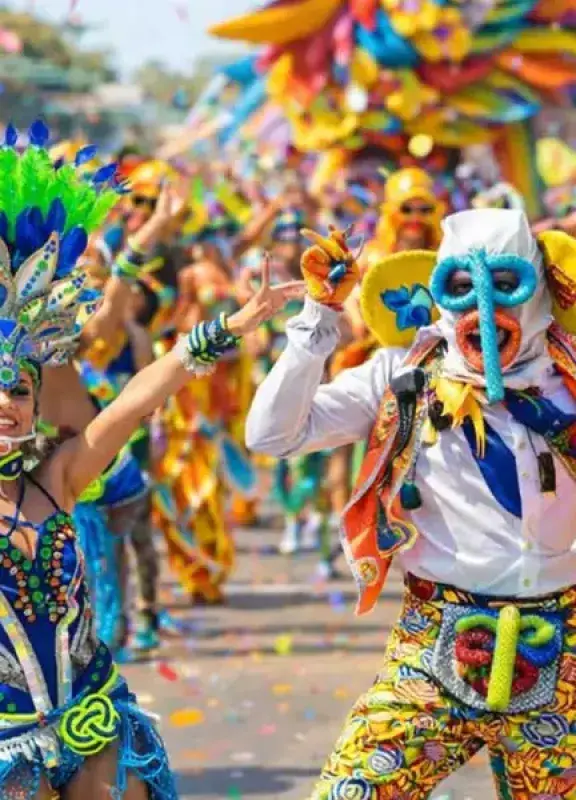
This diversity is also expressed in the things we share every day: in the languages and stories that preserve our collective memory, in the sounds and dances of our celebrations, in the flavors of traditional cuisines, in handicrafts, and in the knowledge passed down from one generation to the next. That is why Ethnic and Cultural Diversity Day is an opportunity to recognize, appreciate, and preserve the richness that brings us together.
Related Articles:
- Discover the History of the Battle of Boyacá, a Milestone for Colombia
- The Legend of El Dorado: Following the Footsteps of the Muisca Ritual
- July 20: Events That Echo Colombian Pride