Welcome, you are in


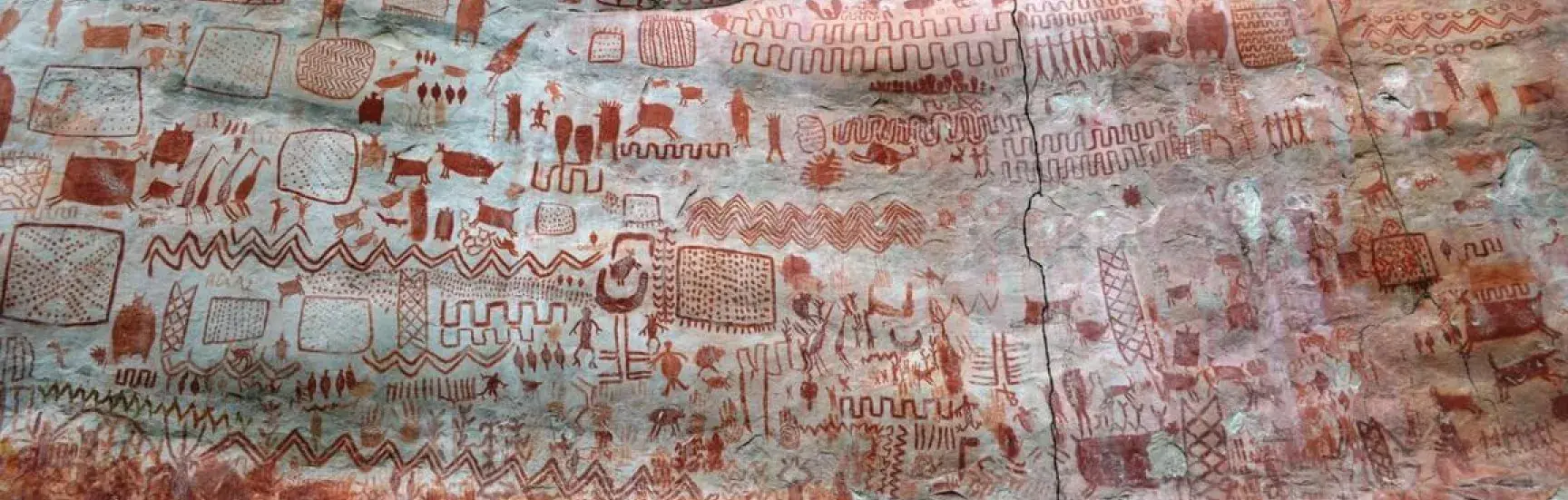


Colombia’s Intangible Cultural Heritage: Traditions Recognized by UNESCO
Discover the cultural expressions that are part of Colombia’s intangible cultural heritage and have been recognized by UNESCO thanks to our cultural richness.
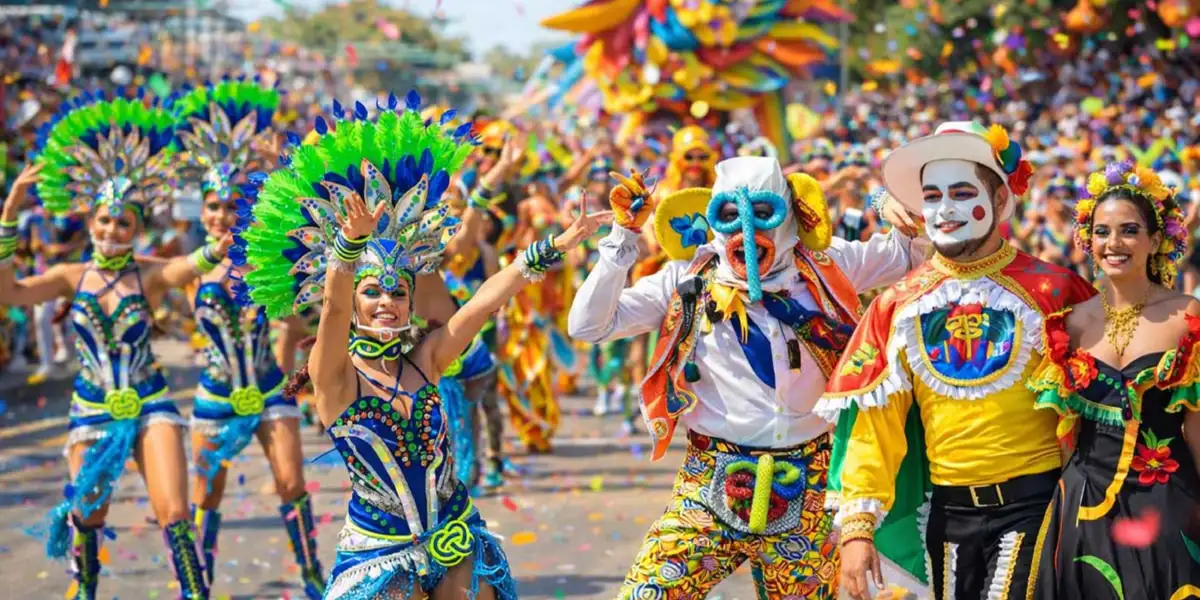
Colombia is a country where culture is experienced and celebrated. Our diversity is reflected in the festivals, music, knowledge, traditions, and territories that tell part of our history and who we are. Some of these cultural expressions and places have been recognized by UNESCO and are now part of Colombia's cultural heritage through its Intangible Cultural Heritage and World Heritage lists. Discover the traditions and territories that contribute to Colombia's richness and fill us with pride.
Colombian cultural expressions recognized by UNESCO
Colombia has a rich cultural heritage expressed in many different ways, and UNESCO has recognized several of these expressions as part of the intangible cultural heritage, highlighting their importance to the communities that keep them alive. Discover some of them.
Barranquilla Carnival
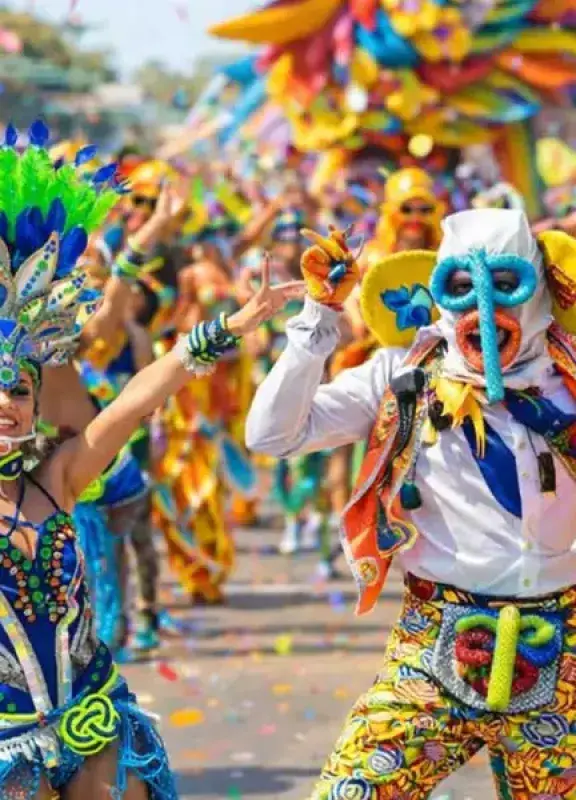
Music, dancing, costumes, and diverse cultural expressions take over Barranquilla during one of the most representative celebrations of the Greater Colombian Caribbean. The Barranquilla Carnival was inscribed in 2008 on the Representative List of the Intangible Cultural Heritage of Humanity.
Blacks and Whites' Carnival
In Pasto, color and creativity take center stage in a celebration that brings the community together around its traditions. The Blacks and Whites' Carnival was inscribed in 2009 on the Representative List of the Intangible Cultural Heritage of Humanity, as an expression of the region's cultural identity.
San Pacho Festival in Quibdó
Faith, music, dance, and celebration come together at San Pacho, a tradition deeply rooted in the identity of the Afro-descendant community of Chocó. The Festival of Saint Francis of Assisi in Quibdó was inscribed by UNESCO in 2012 on the Representative List of the Intangible Cultural Heritage of Humanity.
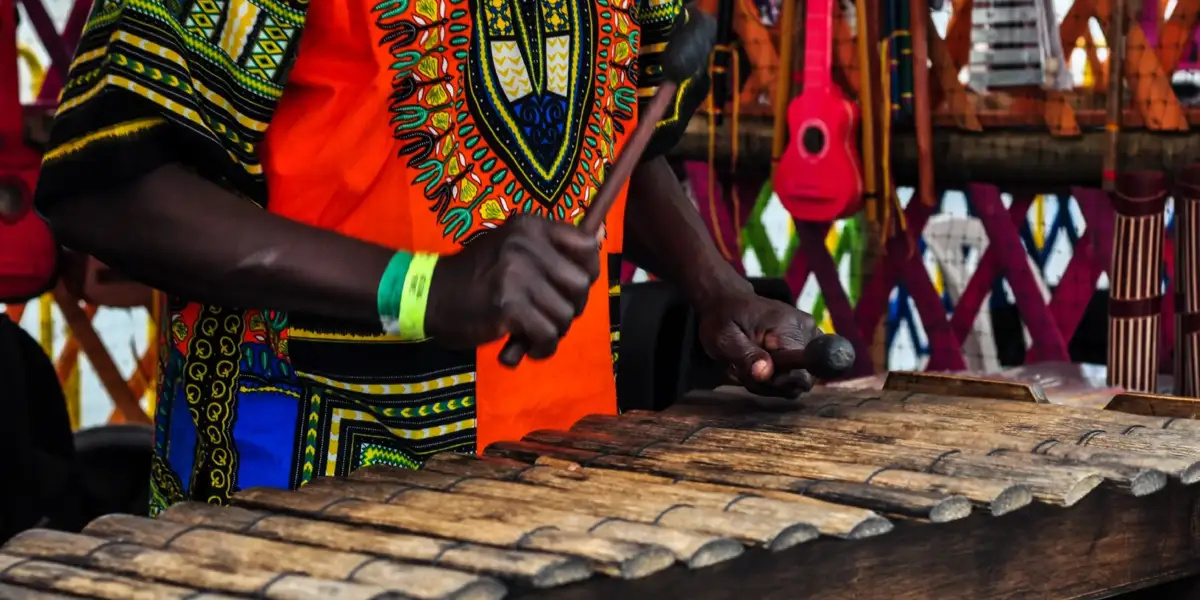
Marimba music and traditional songs and dances of the Southern Pacific
Through the rhythms of marimbas, drums, songs, and dances, the communities of Colombia's Southern Pacific region keep alive cultural expressions and traditions that are part of their identity. This cultural expression was inscribed in 2015 on the Representative List of the Intangible Cultural Heritage of Humanity.
The cultural space of San Basilio de Palenque
Language, music, oral traditions, and cultural practices make San Basilio de Palenque a place where memory and identity remain alive. Its cultural space was inscribed in 2008 on the Representative List of the Intangible Cultural Heritage of Humanity.
Traditional vallenato music of the Greater Magdalena region
Songs, instruments, and stories are part of a musical tradition that has accompanied the cultural life of the Greater Magdalena region. In 2015, UNESCO inscribed traditional vallenato music of the Greater Magdalena region on the List of Intangible Cultural Heritage in Need of Urgent Safeguarding, with the aim of helping preserve and pass it on to future generations.
Living Pictures of Galeras
The streets of Galeras become stages where the community recreates scenes through artistic performances, depicting everyday life, religion, legends, literature, and other aspects of its collective imagination. The Living Pictures of Galeras were inscribed in 2024 on the Representative List of the Intangible Cultural Heritage of Humanity.
Places and landscapes in Colombia recognized by UNESCO
Colombia's cultural richness is also reflected in our territories. Cities, historic centers, archaeological parks, and landscapes preserve traces of different eras and ways of life that are now part of UNESCO's World Heritage.
Cartagena
With its walls, fortifications, and buildings that tell part of its history, Cartagena preserves one of Colombia's most representative historic ensembles. The Port, Fortresses and Group of Monuments of Cartagena was inscribed on the World Heritage List in 1984.
Mompox
On the banks of the Magdalena River, the Historic Center of Santa Cruz de Mompox preserves the layout and architecture of a colonial city that played an important strategic and commercial role. UNESCO inscribed it on the World Heritage List in 1995.
San Agustín
Surrounded by the landscape of the Colombian Massif lies the San Agustín Archaeological Park, home to an important collection of funerary monuments and megalithic sculptures. UNESCO inscribed this archaeological heritage in 1995.
Tierradentro
The remains of a pre-Hispanic society come to life at the Tierradentro National Archaeological Park, recognized especially for its underground tombs and their value as evidence of ancient ritual and funerary practices. UNESCO added it to the World Heritage List in 1995.
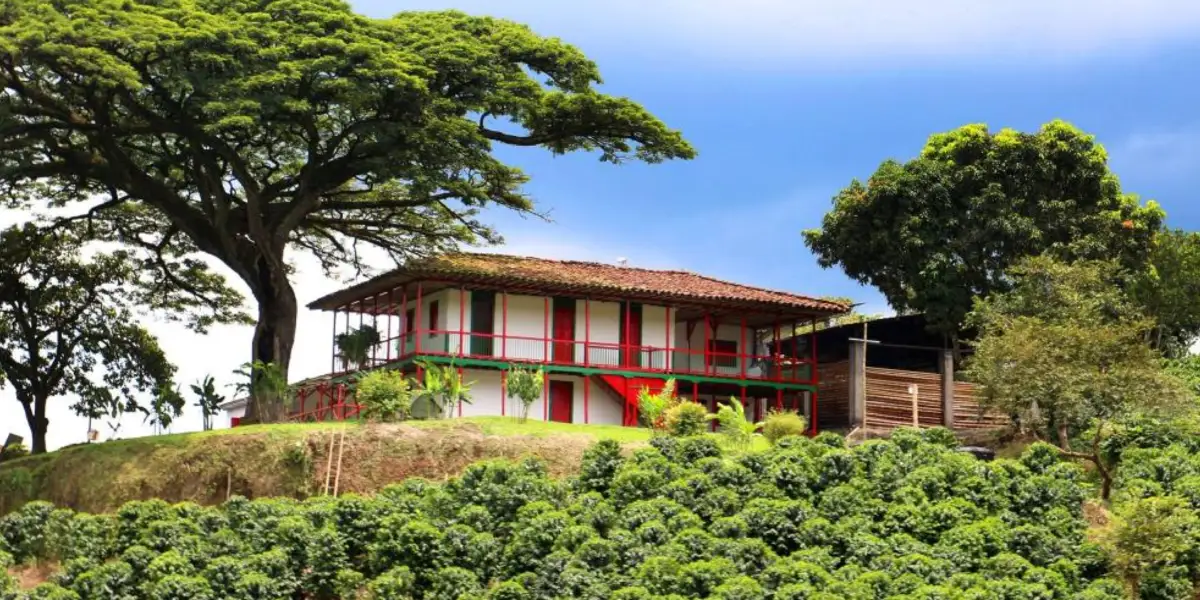
Coffee Cultural Landscape
Mountains, coffee plantations, architecture, and a living tradition are all part of this landscape in Colombia. The Coffee Cultural Landscape was inscribed in 2011 and reflects how coffee-growing communities have adapted to the conditions of this territory, as well as a centuries-old tradition built around coffee cultivation.
A heritage that fills us with pride
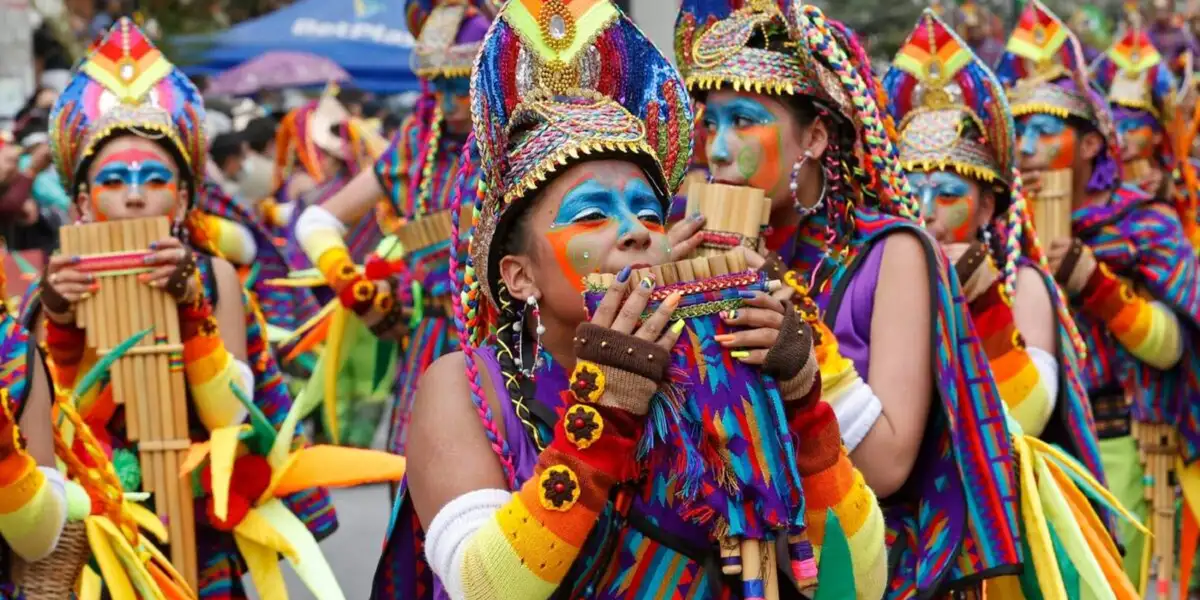
Everything we are lives in our territories, knowledge, traditions, music, artistic expressions, and flavors, all of which are part of our identity. Each of these ways of experiencing culture brings us closer to the diversity that defines Colombia and reminds us of the richness of a country that keeps its roots alive while sharing them with the world. Every tradition we preserve, every story we tell, and every expression we share is also a way of showing the world who we are and proudly celebrating everything that makes us Colombian.
Related articles:
- Explore the linguistic richness of Colombia's Indigenous languages
- Discover the story of the Battle of Boyacá, a milestone in Colombia's history
- Monuments of Colombia: history, art, and culture