Welcome, you are in




Colombia’s Major Rivers: The Stories That Lie Beneath Their Waters
Colombia’s major rivers flow across the country carrying much more than water. Discover the stories, cultures, and territories that have flourished along their banks.
In Colombia, rivers do more than flow through our territory: they also carry stories with them. Along their course, traditions, cultures, landscapes, encounters, and ways of life emerge, all of which are part of who we are as a country. So, if you're wondering what the main rivers in Colombia are, in this article we'll explore some of them to discover the stories that unfold along their waters and learn how the Magdalena, Amazon, Orinoco, Putumayo, and Guaviare rivers are also part of the territories, ecosystems, and communities that make Colombia a diverse country full of stories to tell.
Magdalena River: the river that connects Colombia's stories
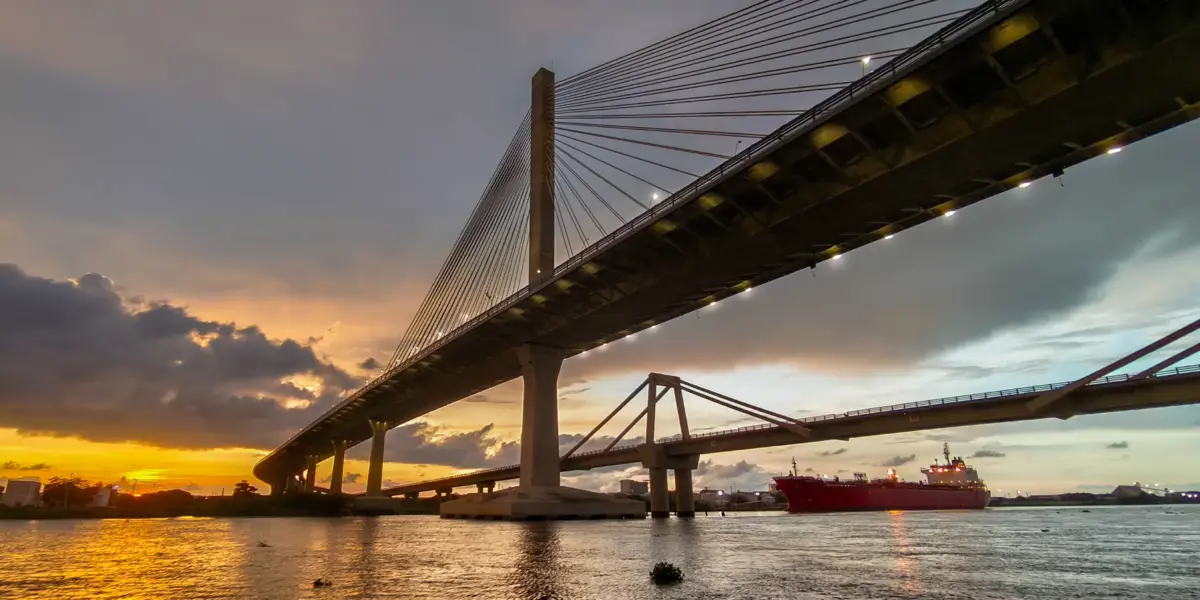
It all begins in the Colombian Massif, in the Andes Mountains. From there, the Magdalena River descends from the mountains toward northern Colombia and flows for approximately 1,540 kilometers, crossing different territories before reaching the Caribbean Sea. Along its course, its waters have witnessed the growth of towns, ports, and cities that found in the river a way to communicate. Mompox, for example, became an important center for trade and communication with the country's interior, while other riverside communities built their histories around this waterway, which connected different regions of Colombia for centuries.
One of these stories can be found in Honda, Tolima, a heritage town of Colombia located on the banks of the Magdalena River and recognized for its legacy as one of the country's main river ports. There, the river also left its mark on structures that are now part of the town's heritage, such as the Navarro Bridge, considered the oldest cantilever steel bridge in Latin America. Thus, kilometer after kilometer, the Magdalena has not only flowed through Colombia: it has also connected territories, people, and stories that are now part of our collective memory.
Guaviare River: a meeting point that connects territories
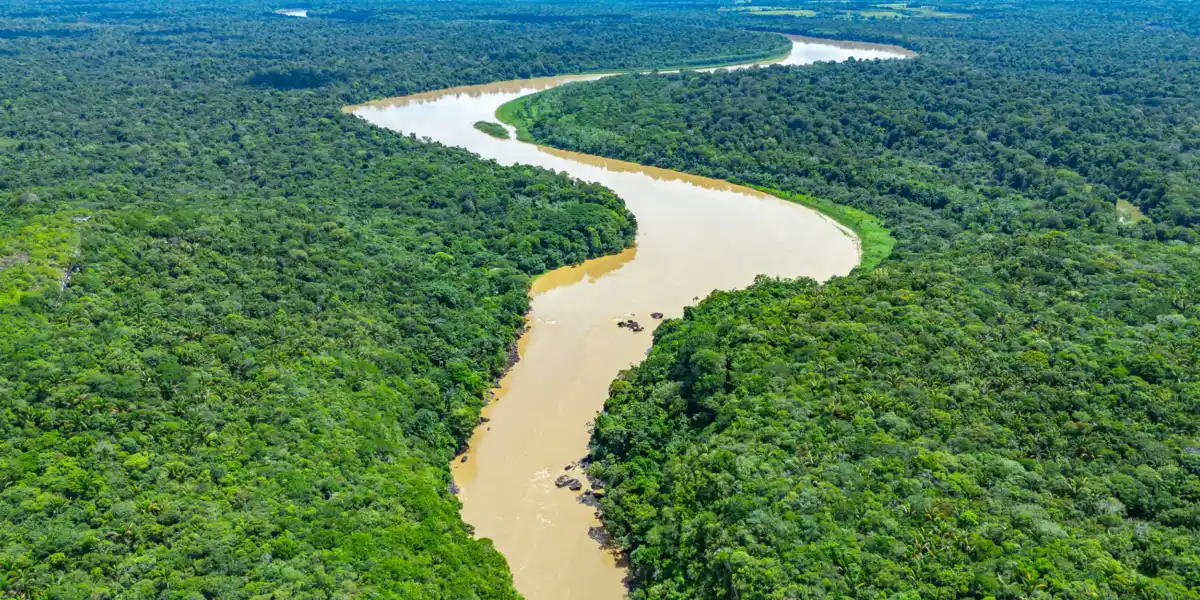
It all begins with a meeting. The Guaviare River originates where the Guayabero and Ariari rivers converge, on the border between the departments of Meta and Guaviare, and from there begins a journey of more than 1,300 kilometers eastward, until its waters flow into the Orinoco. Along its banks, Indigenous communities such as the Nukak, Sikuani, Tinigua, Guayabero, Piapoco, and Puinave found a territory in which to live and travel. Over time, new routes and settlers arrived, adding their stories to those already woven into this territory.
Some rivers do more than flow through Colombia; they connect worlds. The Guaviare is one of them: its course marks the meeting point between the Eastern Plains and the Colombian Amazon. It also has approximately 630 kilometers of navigable waters, used by small and cargo vessels, making it an important waterway for the region's economy and transportation. Thus, amid converging waters, meeting territories, and communities that have built their histories along its banks, the Guaviare continues to flow through Colombia, connecting regions that contribute to the country's diversity.
Putumayo River: stories that cross borders
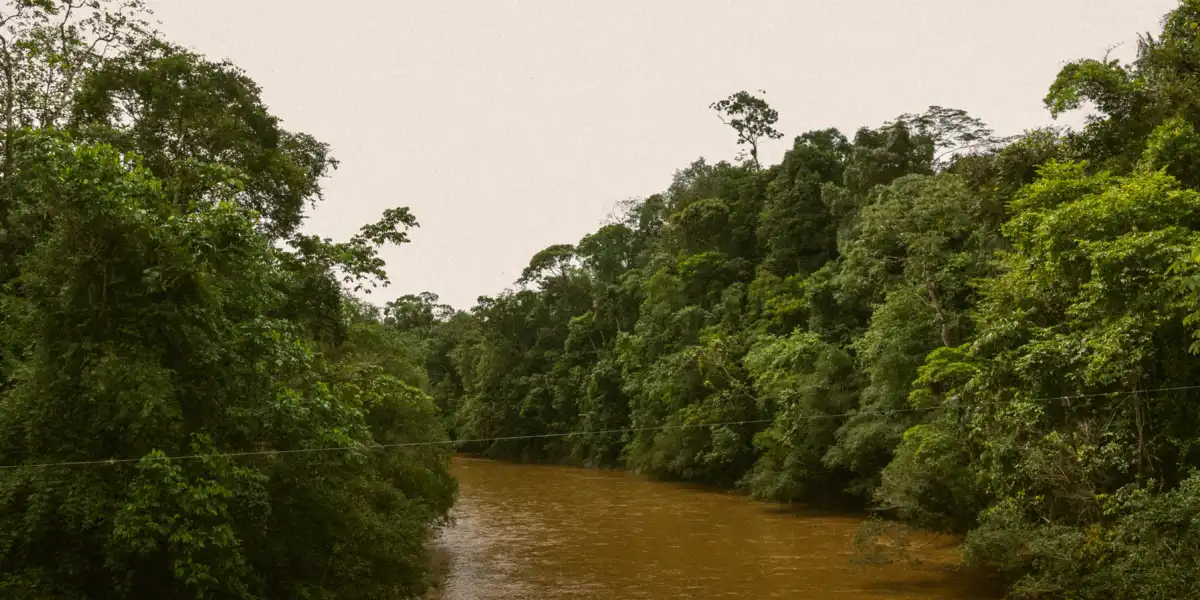
The Putumayo River originates in the Nudo de los Pastos in Colombia and begins a journey of between 1,813 and 2,063 kilometers through the Amazon region until it reaches the Solimões River in Brazil. Approximately 1,500 kilometers of its course run through Colombian territory, and along the way, its waters accompany territories and communities. It is also navigable along much of its length, allowing people and goods to travel along an important waterway for communities in the rainforest.
In the Upper Putumayo region, the Inga and Kamëntsá are among the Indigenous peoples who maintain a deep connection with this territory and its ancestral knowledge. Along the river, family ties and shared stories connect communities living on both sides of the borders. And this is where the Putumayo reveals one of its stories: the story of a river that flows through different territories but also brings together cultures, communities, and ways of understanding and experiencing the Amazon region.
Amazon and Orinoco rivers: where nature tells stories
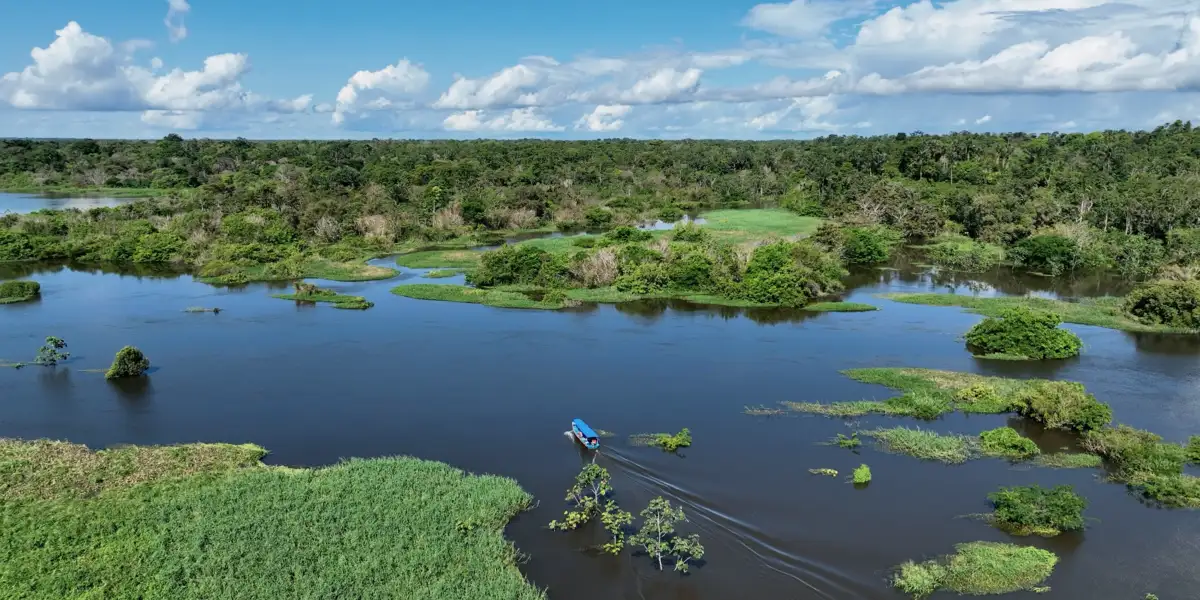
The Amazon River also tells stories from Colombia. In the area around Leticia, its waters flow through a territory of extraordinary biodiversity, surrounded by the Amazon rainforest, the largest tropical rainforest on the planet. Thousands of species live there, including pink river dolphins, giant river otters, and river turtles, as well as fish such as arapaima and piranhas. It is also home to Indigenous communities such as the Ticuna and Yagua, as well as communities like Macedonia. And when we talk about the length of the Amazon River, we delve into the immense scale of a river that crosses territories and connects lives, as well as everything that happens around it: diverse natural environments and communities that have built part of their history alongside its waters.
And when we talk about the length of the Amazon River, we delve into the immense scale of a river that crosses territories and connects lives, as well as everything that happens around it: diverse natural environments and communities that have built part of their history alongside its waters.
Farther north, the Orinoco River forms a natural border with Colombia for approximately 300 kilometers and connects tropical rainforests, savannas, and floodplains. Its waters are home to iconic species such as the pink river dolphin, also known as the tonina, and Indigenous peoples such as the Warao, Ye'kuana, Piaroa, Pemon, and Yanomami. Each of these territories holds its own stories, but together they remind us of something shared by Colombia's great rivers: their waters do more than cross landscapes; they also connect the nature, cultures, and communities that contribute to our country's diversity and richness.
This brings our journey to an end, without forgetting that Colombia is a country blessed with abundant water resources. The Cauca, Caquetá, and Atrato rivers, among many others, also flow through our territory, carrying their own stories about their landscapes, communities, and regions. Every river has its own story to tell, and together they remind us that Colombia can also be discovered by following the course of its waters: a country that flows, preserves its stories, and finds immense richness in its rivers.